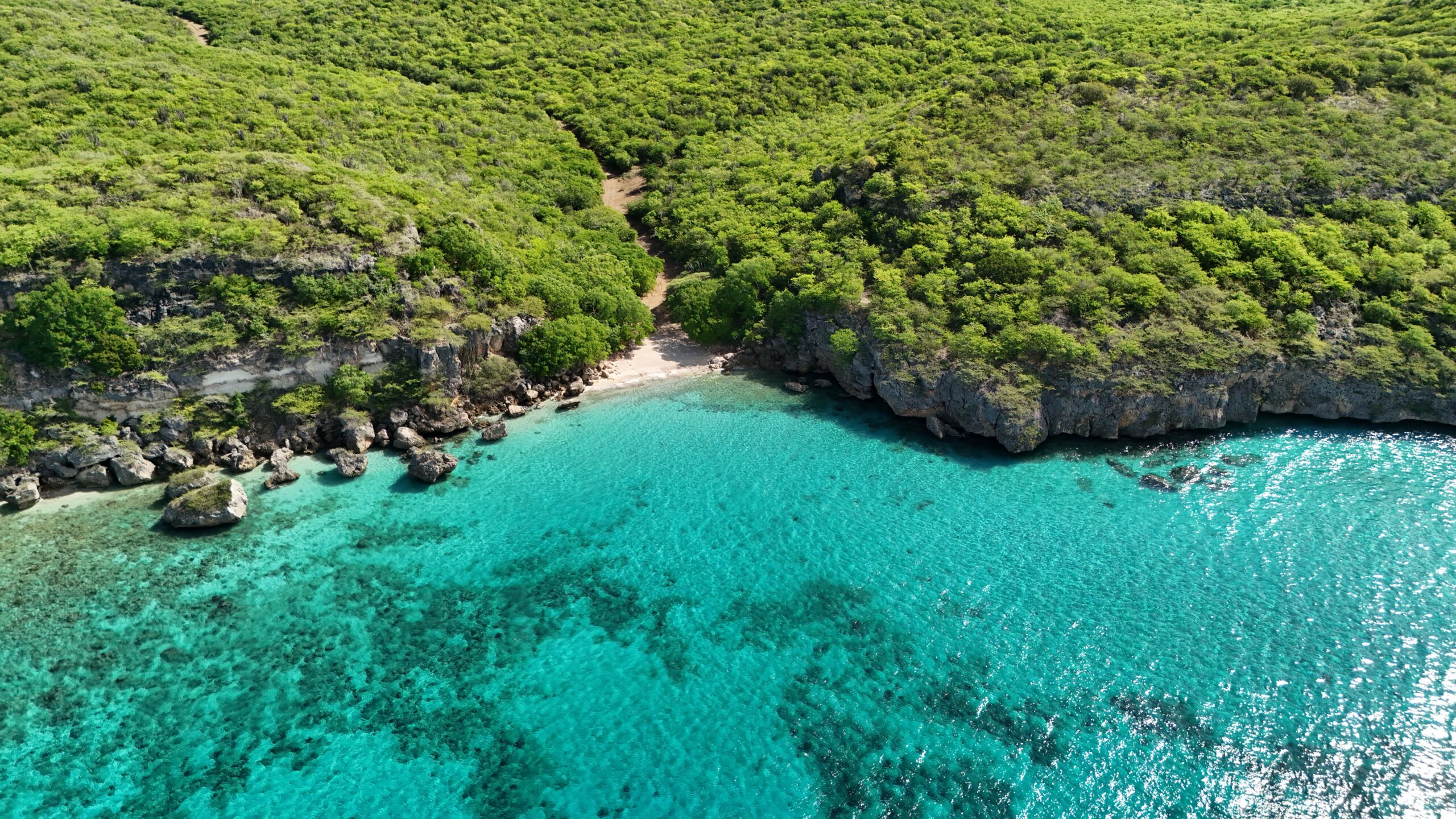
Before you book your flight to the Caribbean, it’s always smart to learn a few quick facts and insider tips about your destination. Curaçao may be small in size, but it’s bursting with color, culture, and charm. From its pastel-painted capital to its crystal-clear waters, this island offers a perfect balance of adventure and relaxation.
Here’s your ultimate guide to Curaçao, packed with essential tips, local insights, and practical travel advice to help you plan the perfect trip.
How Many Days Do You Need in Curaçao?
Most travelers find that 5 to 7 days in Curaçao is just right. This gives you enough time to:
-
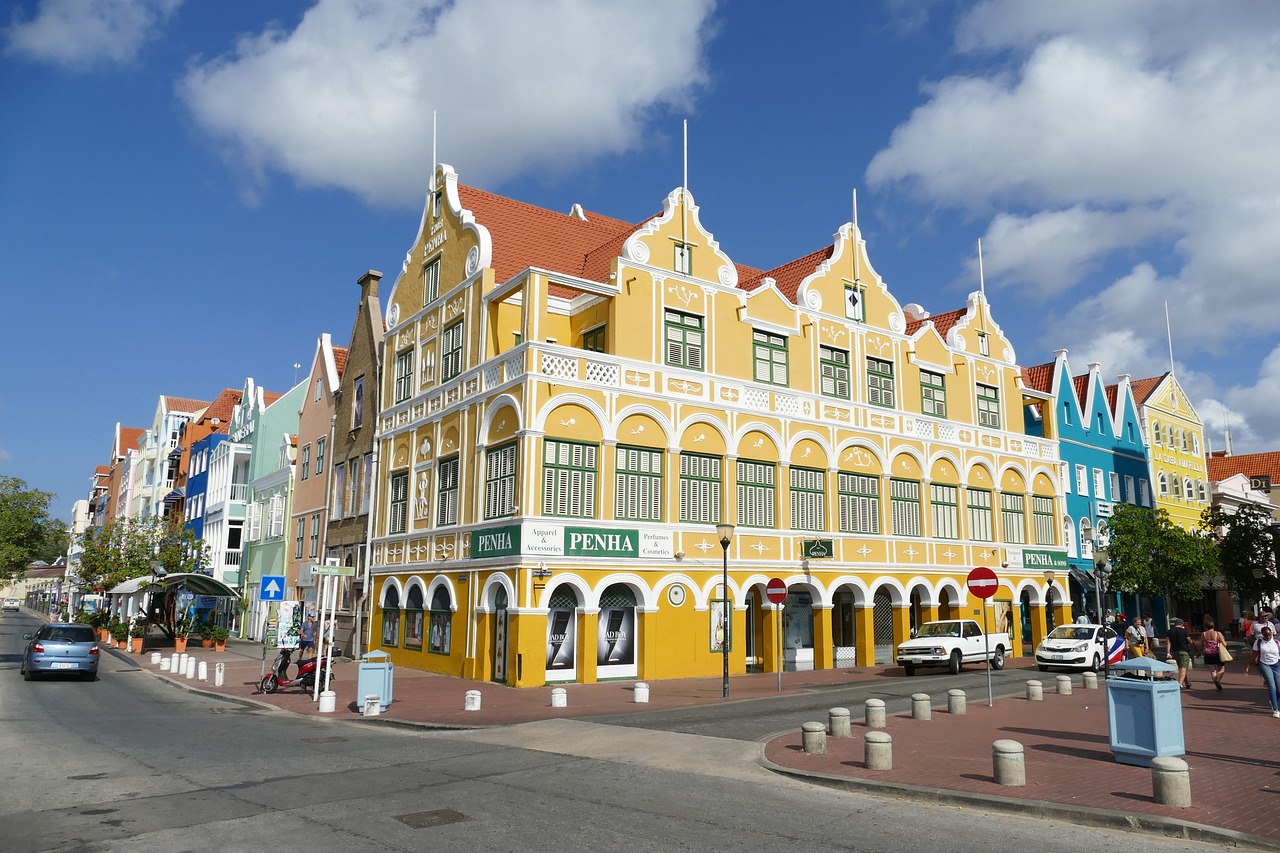
Explore Willemstad, the island’s UNESCO World Heritage center
-
Relax on several beaches, from Cas Abou to Playa Kenepa Grandi
-
Take a boat trip to Klein Curaçao
-
Add one or two adventures such as Christoffel National Park or the Blue Room Cave
Travel tip: If you love diving, snorkeling, or just want a slower pace, stay 10–14 days to truly experience all corners of the island.
Need wheels to explore the island? Book your rental car in Curaçao here.
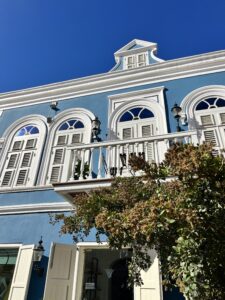
What You Shouldn’t Miss in Curaçao?
Here are the must-see highlights that define the island:
-
Willemstad: Stroll across the floating Queen Emma Bridge and admire the colorful Handelskade
-
Klein Curaçao: Visit this remote island paradise and swim alongside sea turtles
-
Christoffel National Park: Hike to panoramic viewpoints and spot native wildlife
-
Blue Room Cave: Discover this glowing underwater chamber by snorkeling or boat
-
Plasa Bieu: Try authentic local dishes like stoba and funchi in this lively market hall
Insider tip: Visit Plasa Bieu at lunchtime when locals gather, it’s the most flavorful (and affordable) meal you’ll have all trip.
Ready for paradise? Reserve your Klein Curaçao boat trip here.
Is Curaçao Safe for Tourists?
Yes, Curaçao is one of the safest Caribbean islands for travelers. Tourist areas are well-policed, and violent crime is extremely rare. However, it’s still smart to take basic precautions:
-
Avoid walking alone late at night in quiet streets
-
Don’t leave valuables in your rental car or unattended on the beach
-
Use official taxis or rental cars instead of unlicensed drivers
Neighborhoods to Avoid
Most popular areas such as Pietermaai, Mambo Beach, and Jan Thiel are very safe. Some backstreets in Otrobanda or the outskirts of Willemstad are less advisable to explore alone after dark. Stick to lively, well-lit areas, and you’ll feel perfectly comfortable.
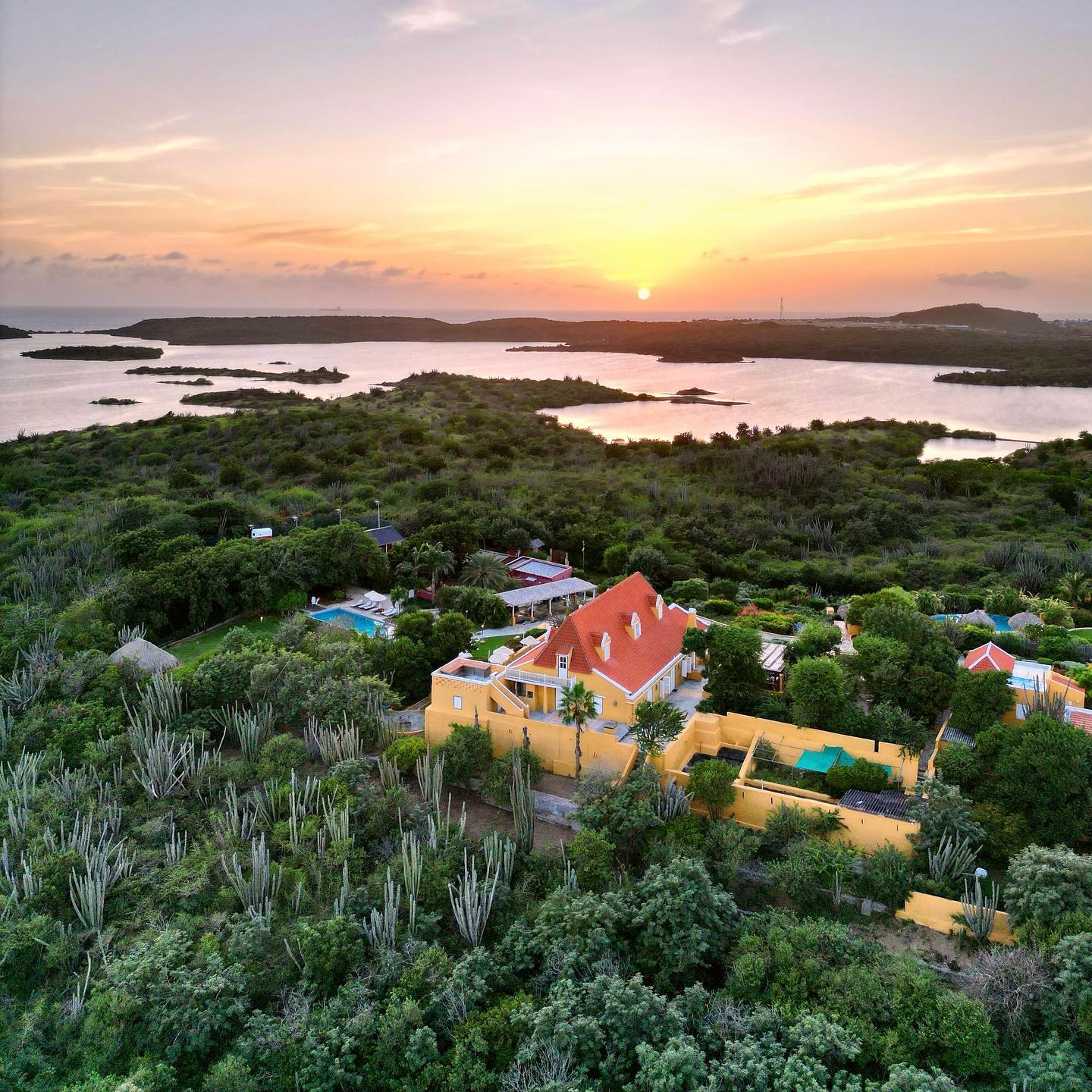
Looking for the perfect stay? Explore our curated list of villas and boutique hotels in Curaçao.

How Much Money Do You Need for Curaçao?
Your budget will depend on your travel style, but here’s a rough estimate for one week per person:
-
Flights: $500–$800 round trip (from the US or Europe)
-
Accommodation: $70–$120 per night in mid-range hotels or apartments
-
Food & Drinks: $30–$50 per day (mixing restaurants and local snack bars)
-
Car Rental: $250–$300 per week
-
Activities: $100–$200 total for parks, boat trips, and tours
On average, plan around $1,200–$1,800 per person for one week in Curaçao.
Budget tip: Traveling during the off-season (September–November) can cut costs by 20–30% while keeping the island pleasantly quiet.
Plan your Curaçao getaway: Flights | Hotels | Car Rentals | Best Tours
Curaçao Immigration Card: What You Need to Know
All visitors must complete the Digital Immigration Card before arrival. It’s a simple online form where you enter your passport and flight details.
Tip: Complete it a few days before your flight and save the PDF or a screenshot on your phone. Airport staff will check it on arrival, having it ready speeds up your entry process.

Local Culture, Language, and History
Curaçao is more than beaches, it’s a vibrant melting pot of cultures. The island’s identity has been shaped by African, Dutch, and Latin American influences, all woven together in its daily rhythm.
-
Language: The local language, Papiamentu, is a beautiful blend of Portuguese, Dutch, Spanish, and African roots. English and Spanish are also widely spoken, so communication is easy.
-
Culture: Expect colorful murals, music-filled nights, and lively festivals like Carnival that reflect the island’s joyful spirit.
-
History: Once home to the Arawak people, Curaçao later became a key Dutch Caribbean colony in the 17th century. Today, Willemstad’s colonial architecture stands as a vivid reminder of this layered past.
Cultural tip: Visit the Kura Hulanda Museum in Willemstad to explore the island’s complex history of trade, migration, and resilience.
Quick Facts About Curaçao
| Category | Details |
|---|---|
| Population | About 155,000 |
| Size | 444 km² (171 square miles) |
| Languages | Papiamentu, Dutch, English, Spanish |
| Currency | Netherlands Antillean Guilder (NAF) — USD widely accepted |
| Climate | Warm and sunny year-round (27–30°C / 80–86°F) |
| Time Zone | Atlantic Standard Time (UTC -4) |

Bonus Curaçao Travel Tips
-
Bring reef-safe sunscreen from home, it’s pricier on the island.
-
Rent a car if you want to beach-hop or explore hidden coves outside Willemstad.
- Pack light and stay organized, check our complete Curaçao packing list here.
Final Thoughts
Whether you’re visiting for a week or a full two, knowing these Curaçao tips and travel facts will help you make the most of your Caribbean escape. From cultural insights to budget advice and safety recommendations, Curaçao offers everything, convenience, beauty, and that unmistakable island soul.
Ready to plan your trip? Explore our guide to the Best Things to Do in Curaçao and start building your perfect itinerary today.
Disclaimer: All prices, travel details, and availability mentioned in this article are subject to change. They serve as general guidance only. No rights can be derived from this information, and actual costs may vary depending on the season, provider, or booking platform.
This page contains affiliate links.